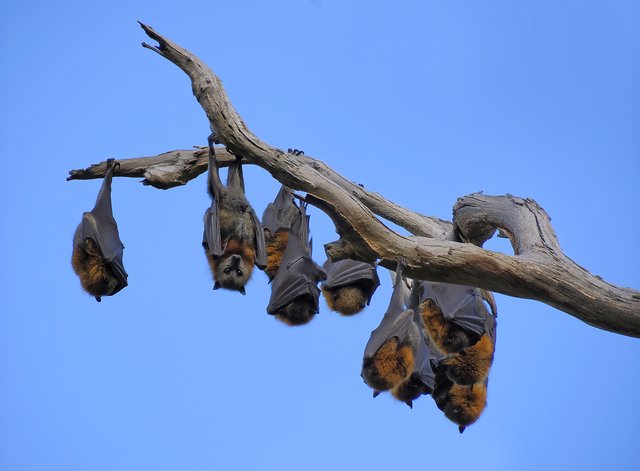
Once a month for two years, a bat counter at Melbourne’s Yarra Bend Park made three daytime counts of the roosting grey-headed flying-foxes. He totalled the regular count himself. The notes from the other two went to a second researcher, who added them up without sharing the results until the test ended. Rodney van der Ree, Caroline Wilson and Vural Yazgin described the procedure in their 2009 scientific review. The estimates closely agreed—a result about consistency, not proof that every bat had been counted. [1]
The colony had moved from Melbourne’s Royal Botanic Gardens in 2003 after concerns about damage to heritage vegetation. At Yarra Bend, it settled in a park crossed by the Yarra River, with woodland among roads, a golf course and residential neighbourhoods. The setting became a managed campsite, not a colony beyond the city. [3]
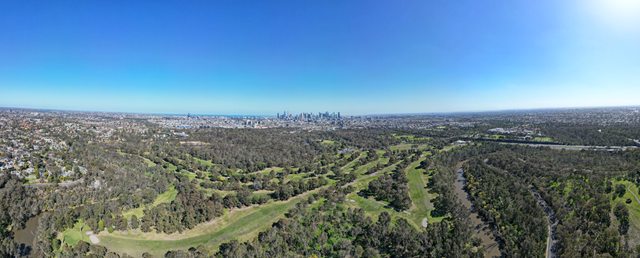
Where is this place?
Yarra Bend Park, Melbourne. This map locates the town or region, not a verified exact historic event site.
Routine monitoring used two perspectives: one observer counted resting bats twice a month; 10–20 volunteers counted the dusk departure once a month. The volunteers’ experience varied, and the team changed between surveys. The researchers acknowledged bias in both methods. [1]
Counting also became the main volunteer task when another planned role fell away. The campsite’s management review records that proposed community planting days had not happened. Managers were concerned about large groups and noise disturbing the colony. Contractors did the revegetation work to meet specified standards and control efficiency. [2]
The review did not propose abandoning community involvement. It recorded a successful volunteer counting programme, while recommending that any new volunteer activities be properly funded for coordination. In the companion scientific review, the acknowledgements thanked 261 people who had helped with fly-out counts over the previous four years. [1, 2]