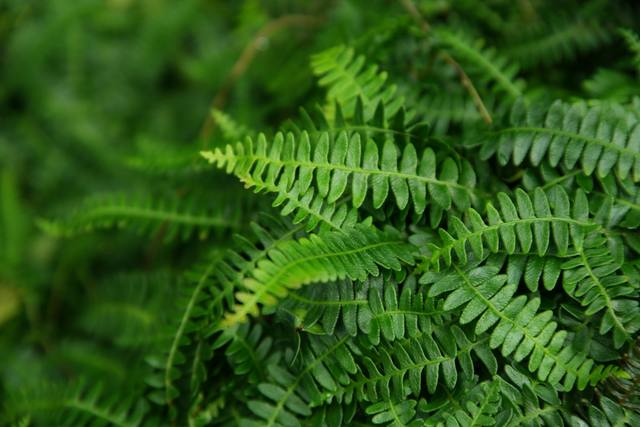
At Hobart’s Subantarctic Plant House, the elephant seals and penguins are recorded. The plants are real. Inside the Royal Tasmanian Botanical Gardens, living greenery shares an enclosure with painted island scenery, mist and recorded wildlife. [1]
Before the house was ready, substantial collections were already being held in two refrigerated containers, equipped with lights and benches. A 1998 account by the gardens’ director, David Bedford, records this arrangement. [2]
Where is this place?
Subantarctic Plant House, Royal Tasmanian Botanical Gardens, Hobart — named-site context, not an exact doorway or island collecting access. This map locates the town or region, not a verified exact historic event site.
Construction began in March 1998. Bedford described an 80-square-metre, teardrop-shaped building designed by Hobart architect Michael Viney, with solid walls and a transparent roof. Its purpose included cultivating plants from Macquarie and Heard islands. [2]
Bedford assigned a scientific role to both the containers and the planned house. Collections at the gardens had already contributed to studies of how subantarctic plants responded to temperature change. [2]
A University of Queensland announcement the following year placed the project within a longer collaboration between researchers and botanical-garden staff. It credited collectors including Dana Bergstrom, Kate Kiefer, Craig Tweedie and Justine Shaw. Horticultural operations manager Mark Fountain described plans for cold water piped at ground level, with air-conditioning and misting to cool the air. [3]
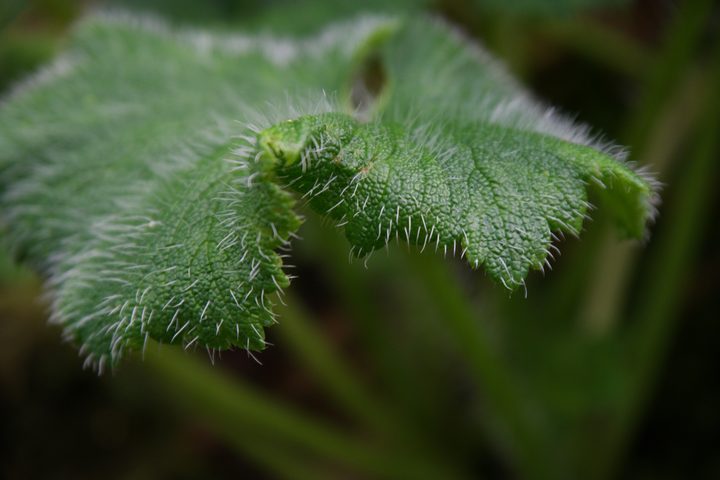
The gardens date the house’s establishment to 2000. Their current description gives it two linked purposes: representing Macquarie Island’s appearance and conditions, and experimenting with the cultivation of subantarctic plants. [1]
In an ABC interview broadcast in September 2025, director Yann Gagnon described the house as a prototype that had survived, with its plant collection doing well. Presenter Robyn Williams mentioned a temperature of about 6.6°C during the recording, while Gagnon described misting and wind. [4]