Recovering Ballarat’s old horse-tram body involved an exchange: a replacement garden shed. In a 2025 interview with the Ballarat Times, museum facilities manager Peter Waugh recalled that it had been storing a mower and spades, and that the museum offered new storage in its place. [1]
Returning the tram body to transport use began with a different practical job.
Where is this place?
Ballarat Tramway Museum and Lake Wendouree — geographic context, not a current horse-tram schedule or visitor-access promise. This map locates the town or region, not a verified exact historic event site.
A roof before a restoration
Waugh told reporter Miriam Litwin that the former tram had served as an extra bedroom and a shed. Its owners put a roof over it; the wheels and metalwork were sold for scrap. He credited that shelter with helping the light timber body survive. [1]
The museum’s fleet record dates the recovery to 1985. [2] A much earlier account adds a different emphasis to Waugh’s recollection. Writing in Trolley Wire in February 1986, preservation society secretary Richard Gilbert described an owner willing to give the tram body away in exchange for a steel garden shed. He presented the negotiations as welcome to both sides and credited a protective roof with preserving the body. [4]
The accounts differ in emphasis, but both make replacement storage part of the recovery. Domestic use helped the body survive; the household was not simply an obstacle to its preservation. [1][4]
The old form was a new piece of work
No. 1 was built by Duncan and Fraser in 1887, exhibited in Adelaide and assembled in Ballarat. Its later history included work as a trailer behind electric trams. The museum dates the start of reconstruction to 1987 and the formal launch to 7 November 1992. [2]
The result was not an untouched carriage lifted from a garden onto its original wheels. The fleet record explicitly describes heavy reconstruction to the earlier form and a wheel set obtained from a Melbourne cable tram. Survival of the body and recreation of a working vehicle are different claims. [2]
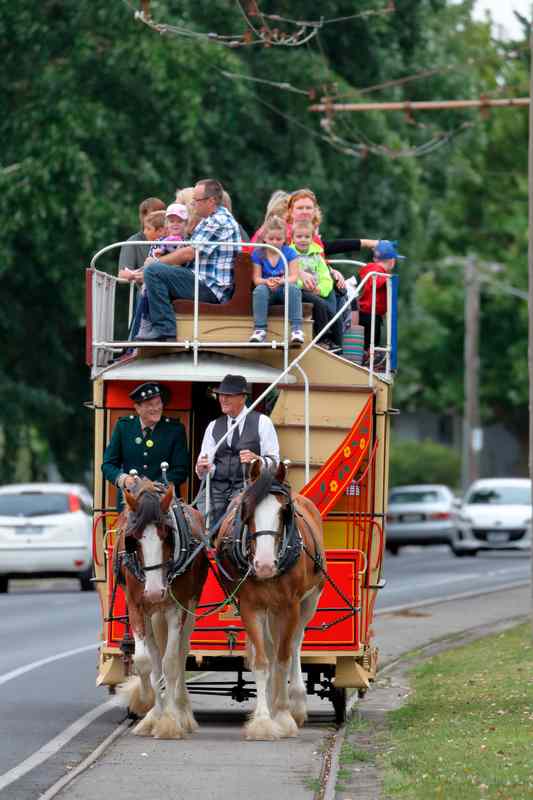
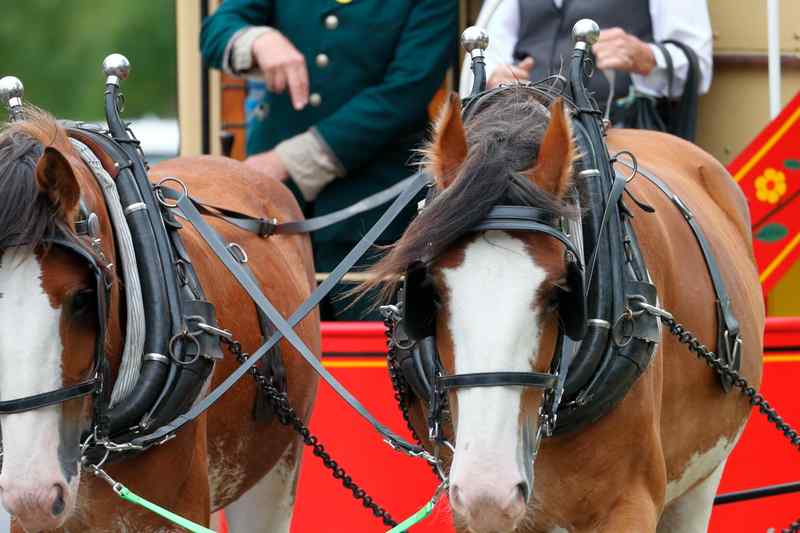
Ed Dunens’s photographs from 24 January 2016 show the reconstructed double-decker at Lake Wendouree: an open upper seating area above the enclosed lower body, and horses harnessed in front. They show a later outing, not the tram’s 1887 appearance or the 1985 recovery.
Paint can be evidence, too
The museum’s September 2024 conservation policy makes the reconstruction less mysterious. Its entry for No. 1 says the colour scheme drew on research and paint revealed by rubbing back surviving panels. It also records details still requiring work. That is a dated account of decisions and unfinished tasks, not proof that every proposed detail was subsequently completed. [3]
More broadly, the policy recognises that keeping vehicles usable can involve replacement materials and compromises. It calls for documenting changes and retaining evidence, including paint samples. Preservation here is not a claim that nothing has changed; it depends on being able to explain what has. [3]
The photographs make the tram look complete. The records tell a more useful story: household shelter, a replacement shed, reconstruction and continuing choices about the evidence left in the wood. Returning No. 1 to view did not require pretending it had spent the intervening decades standing still.