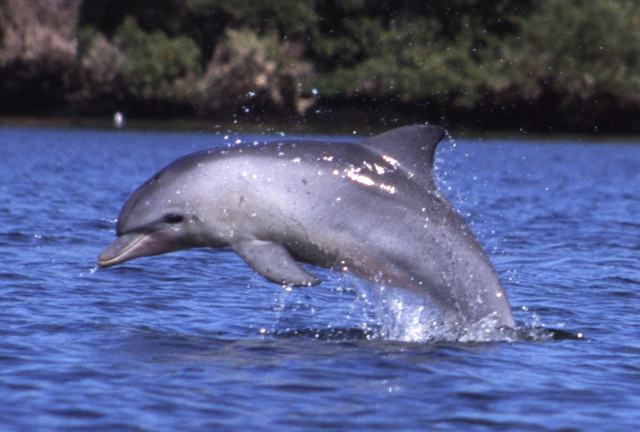
One tail-walk and a burst of repeated tail-walks could produce the same entry in the researchers’ tally: one dolphin, one day. A study of Port River’s dolphins counted days on which each animal was seen performing the behaviour—lifting much of their body clear and moving backwards on beating tails—rather than simply adding up every performance. [1]
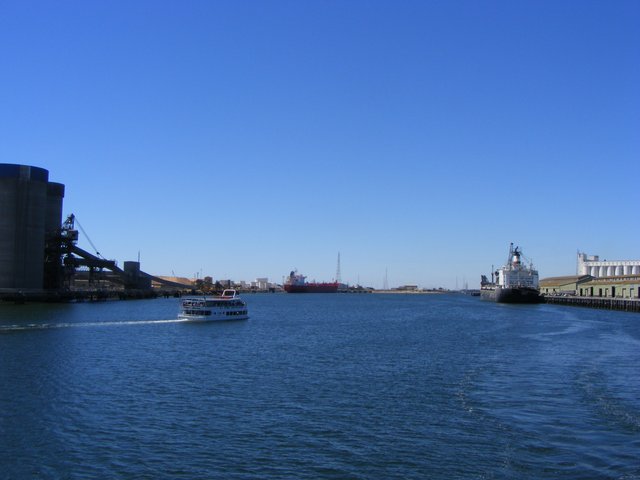
This was a study in a working port, not a remote marine reserve. The Adelaide Dolphin Sanctuary includes mangroves, seagrass, saltmarsh and tidal creeks within South Australia’s largest port. Its shorelines offer places to watch the animals from land as well as water. [3]
Where is this place?
Port River, Port Adelaide. This map locates the town or region, not a verified exact historic event site.
Land-based volunteers helped make the long record possible. In 2009 they received a standard form for dates, times, repetitions and identities checked against photographs of dorsal fins. Their effort varied over the years; the researchers accounted for observation time when examining the behaviour’s rise and fall. [1]
Billie, the first dolphin seen tail-walking there, had spent several weeks among trained dolphins before her release in 1988. She received no direct training. Her first recorded wild tail-walk came in 1995. Another female, Wave, later dominated the records; observed tail-walking peaked in 2010–11, then declined. The authors judged social learning highly likely, while stressing that their evidence was observational. [1]
For lead author Mike Bossley, knowing the animals over decades was crucial. In the research team’s 2018 announcement, he explained that following Billie’s history and the other dolphins for so long let him recognise both the behaviour’s spread and its later decline. The charity leading the work, Whale and Dolphin Conservation, described the episode as a passing fad—not a trick that every Port River dolphin had acquired. [2]