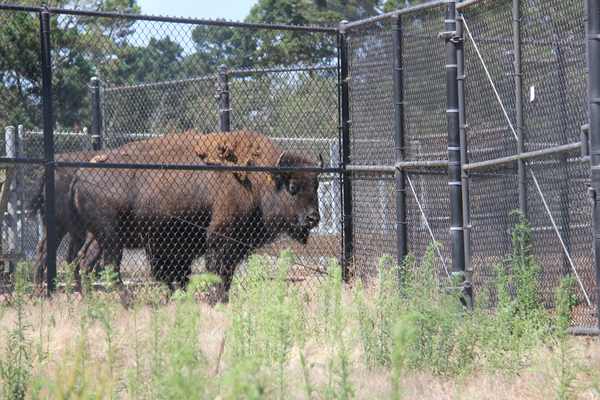
The five young bison brought to Golden Gate Park for its 150th anniversary did not immediately join the older animals. They arrived from a Northern California ranch in late February 2020, unloaded from a trailer, and encountered the resident herd across a chain-link fence. The city planned to keep the newcomers in their own pasture for thirty days while they became accustomed to the place and the other bison. [1]
These were yearlings, not newborn calves—and they had not been born in the park. Their arrival doubled the herd from five animals to ten, all female at the time. San Francisco Zoo staff were responsible for feeding and veterinary care; the Recreation and Parks Department’s gardeners maintained the enclosure. [1]
Where is this place?
Bison Paddock, Golden Gate Park, San Francisco. This map locates the town or region, not a verified exact historic event site.
The herd’s earlier history had included births. KQED’s account, updated in 2024, records more than a hundred calves produced through the captive-breeding programme before it ended. It also distinguishes the later animals from descendants of the original park herd: younger bison replaced the residents in 1984 and again in 2011, with the five new yearlings added in 2020. [2]
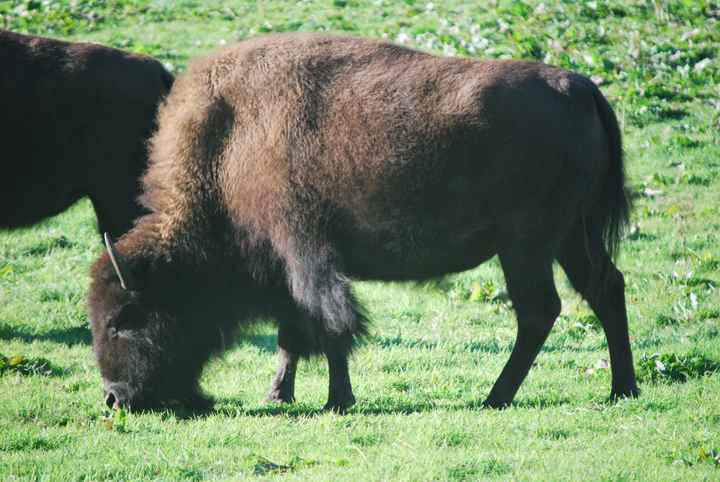
In KQED’s interviews, parks manager Phil Ginsburg explained the preference for females as a way of keeping the herd calmer. Zoo worker Sarah King described the seasonal difficulties: bulls competed during the breeding period, while mothers became protective of spring-born calves. [2]