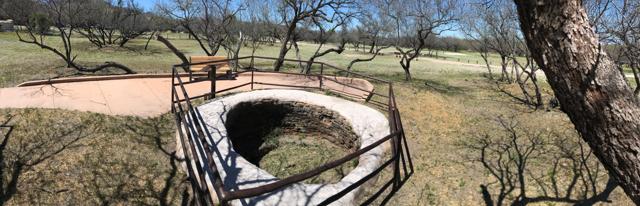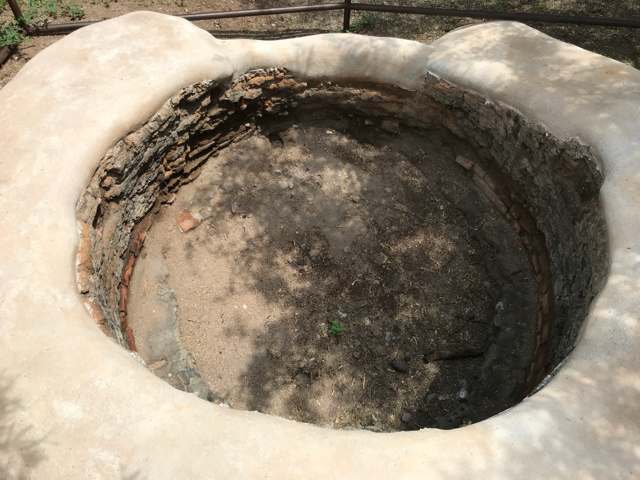
The lime kiln at Tumacácori needs lime plaster of its own. The old oven helped produce a protective finish for the mission’s adobe walls; now that same kind of coating helps keep moisture from breaking down the kiln’s surviving fabric.[1]
Making the plaster began well beyond the mission grounds. Limestone came from the Santa Rita Mountains by oxcart. Workers loaded it onto a metal grate in the kiln and maintained intense heat for days. The cooked rock was broken down, hydrated with water and mixed with sand before being spread on walls. Moving stone, tending the fire and preparing the finish involved many people in the mission community.[1]
Where is this place?
Tumacácori National Historical Park. This map locates the town or region, not a verified exact historic event site.
The coating was not a permanent shell. Lime plaster allows moisture within the walls to escape, but the finish itself deteriorates and needs renewal. The church’s interior and exterior both received plaster, and its walls had a double coat.[1]
Repair still includes making the material underneath. Tumacácori’s preservation crew has modern mixers and wheelbarrows, but replacement adobe blocks are formed in wooden molds and stacked to dry in the sun. These replace blocks lost to moisture and other deterioration.[2]